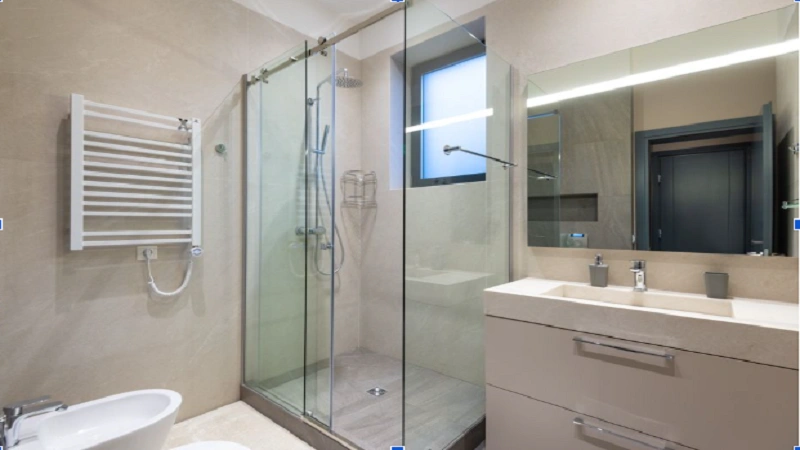
Your shower gets used hard, often twice a day, and it shows. Cracks, stains, weak water flow, and dated finishes can make the whole bathroom feel older than it is. Bathroom renovations remain one of the most common home improvement projects, with many homeowners focusing on upgrades that improve comfort, efficiency, and long-term functionality. If you live in New Orleans, moisture, humidity, and older housing stock add extra pressure on bathroom materials, making proper ventilation, waterproofing, and durable fixtures even more important. A shower replacement can improve comfort, cut maintenance, and make your space feel cleaner without requiring a full-scale renovation. In fact, recent bathroom remodeling trends show that many homeowners are prioritizing shower upgrades, with 39% of renovating homeowners choosing to enlarge their shower spaces.
Signs Your Current Shower Is Past Its Prime
Some shower problems are obvious. A leaking base, loose tile, or a door that never quite closes usually gets your attention fast. Other issues sneak up on you. Maybe the grout always looks grimy no matter how much you scrub, or the enclosure feels cramped and awkward every morning.
Watch for a few common signals:
– Persistent mold or mildew around seams
– Chipped tile or cracked shower pans
– Water stains on nearby walls or flooring
– Outdated fixtures that are hard to clean
– Poor drainage that leaves puddles behind
If you’re noticing two or three of these at once, patch jobs may just be buying time. Bathrooms are not great at keeping secrets. Once water starts slipping where it shouldn’t, the repair bill can grow teeth.
Planning Around New Orleans Homes and Climate
In New Orleans, bathroom upgrades come with local quirks. Many homes have older plumbing layouts, compact bathroom footprints, and materials that have seen years of humidity. That doesn’t make replacement harder, but it does mean planning matters.
Moisture is the main character here, whether you invited it or not. High humidity can aggravate mold growth, and older bathrooms may not have ideal ventilation. A well-planned shower replacement should account for waterproofing, mold-resistant materials, and airflow.
Historic homes can add another layer. If your house has unusual dimensions or aging infrastructure, custom fitting may be part of the process. That’s where professional assessment earns its keep.
For homeowners comparing options for shower replacement in New Orleans, local experience matters. Contractors familiar with regional housing styles and climate challenges can spot issues that a generic estimate might miss.
Why Replacement Often Beats Another Repair
Repair sounds cheaper, and sometimes it is. Recaulking a seam or swapping a showerhead can solve a small issue. But older showers often have layered problems hiding underneath the surface. You might replace one cracked tile only to find soft backing board or hidden moisture damage behind it.
A replacement gives you a reset. You get new materials, updated waterproofing, and a layout that actually suits how you use the space. It can also reduce the cycle of repeated maintenance that drains your wallet one small invoice at a time.If your shower is more than 15 years old, there’s a good chance the design standards and materials are behind the curve. Newer systems are built for faster installation, easier cleaning, and better durability. That matters when you want function, not a weekend-long battle with soap scum.
What a Modern Shower Upgrade Can Include
A shower replacement is not just about swapping old for new. It’s a chance to rethink the details that affect your daily routine. Small design choices can make a huge difference in comfort and usability.
You might consider features like:
– Low-threshold or barrier-free entry
– Built-in shelving or corner storage
– Slip-resistant flooring
– Frameless glass doors
– Handheld showerheads and adjustable fixtures
– Wall surrounds designed for easy cleaning
Modern shower systems also tend to be more practical for busy households. Fewer grout lines mean less scrubbing. Better drainage helps avoid standing water. Smart fixture placement can make the space feel larger without moving a single wall.
You’re not just upgrading looks. You’re fixing friction points that show up every single day.
Choosing Materials That Look Good and Hold Up
Looks matter, but performance matters more in a wet environment. A beautiful shower that stains easily or needs constant maintenance loses its charm fast. You want materials that can survive everyday use without turning your cleaning routine into a side job.
Acrylic and solid surface wall systems are popular because they resist moisture and are easy to maintain. Tile still has appeal, especially if you want a specific design style, but it usually requires more upkeep because grout needs regular attention.
When comparing options, think about:
– Cleaning demands over time
– Resistance to staining and mildew
– Texture underfoot for safety
– How the finish fits your bathroom style
– Expected lifespan and warranty coverage
The best material is often the one that balances durability, maintenance, and budget. Fancy is nice. Low stress is nicer.
Budgeting Without Getting Blindsided
Shower replacement costs vary based on size, materials, plumbing adjustments, and whether you’re changing the layout. A basic replacement is very different from a custom build with premium fixtures and glass enclosures.
To keep the budget grounded, ask for itemized estimates. You should know what includes demolition, disposal, plumbing work, waterproofing, installation, and finishing details. Surprises usually show up when those categories are fuzzy.
A few smart budgeting tips:
– Set aside a contingency fund for hidden issues
– Decide early which features are must-haves
– Compare long-term maintenance, not just upfront price
– Ask about warranties on labor and materials
Cheapest rarely means best value in a bathroom. If a lower quote skips proper prep work, you may save now and pay later. Water has a talent for exploiting shortcuts.
Questions to Ask Before You Hire Anyone
The contractor you choose can shape the entire experience. A polished sales pitch is nice, but solid answers matter more. You want someone who understands shower systems, local housing conditions, and realistic project timelines.
Ask direct questions such as:
– How long will the project take?
– What waterproofing system do you use?
– Will plumbing or subfloor repairs cost extra?
– Are the installers employees or subcontractors?
– What kind of warranty is included?
– Can you show recent local projects?
Pay attention to how clearly they explain the process. If answers are vague before the job starts, communication probably won’t improve once demolition begins. You should also ask how they protect nearby flooring and manage dust and debris. Bathroom work is disruptive enough without turning the rest of your home into a construction souvenir.
Getting the Best Result From the Final Design
A successful shower replacement works on two levels. It should look better, and it should make daily life easier. Before the design gets finalized, think through how you actually use the space instead of focusing only on what looks good in photos.
If you share the bathroom, storage and fixture placement become more important. If accessibility is a concern, low-entry designs and grab bar planning deserve attention early. If resale matters, neutral finishes often appeal to more buyers than trendy choices that may age badly.
Try to picture the first five minutes of your morning routine. Where do you reach for soap? Do you need better lighting near the shower? Are you constantly bumping the door? Those little annoyances are useful design clues. A good replacement should feel like the room finally started cooperating with you, not the other way around.
Final Thoughts
Replacing your shower is one of those projects that can quietly improve your day in ways you notice immediately. Cleaner lines, easier maintenance, better comfort, and fewer water-related worries all add up. It’s practical, but it also changes how the whole bathroom feels.
If your current shower looks tired, functions poorly, or keeps asking for one more repair, a full replacement may be the smarter move. With the right materials, a realistic budget, and a contractor who understands New Orleans homes, you can end up with a shower that works better, lasts longer, and stops acting like the weakest link in your bathroom.