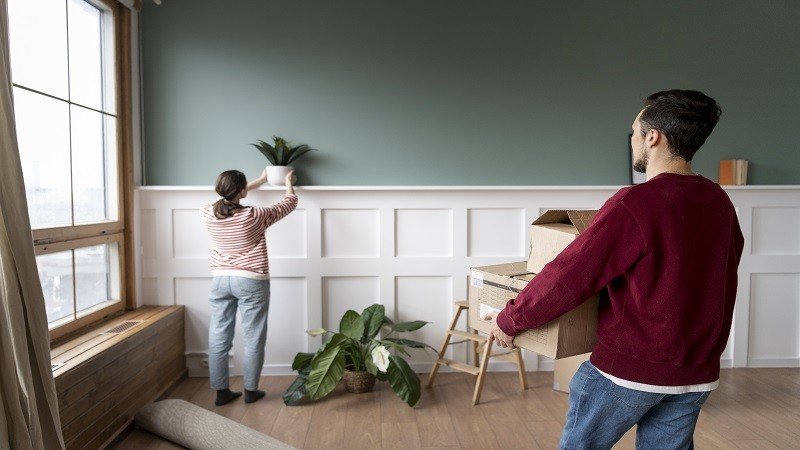
Home renovation is not limited to changing basic structures; it is about elevating the overall comfort, aesthetics, and vibe of your indoor living spaces. When homeowners follow smart and affordable DecoradHouse Renovation Tips from Decoratoradvice for Your Living Room, they can give their home a premium, fresh look while maximizing spatial functionality. A well-designed, modern living room makes the entire home interior look more attractive, spacious, and welcoming to guests.
The living room is the true heart of any home, enhancing its internal beauty, freshness, and creating the ultimate first impression. In this blog, we will explore how professional insights can help you maintain, refresh, and renovate your living room area from time to time. With these professional styling tips, you can easily manage your accent walls, smart lighting setups, custom furniture, and overall spatial decor in a highly smart and budget-friendly way.
Implementing DecoradHouse Renovation Tips from Decoratoradvice for Living Room Maintenance
The best way to keep a living room beautiful and well-maintained is to treat it as a foundational part of the home. Before starting living room maintenance or custom upgrades, observe your living room carefully. Check the walls, flooring, layout flow, lighting corners, and primary seating areas to understand the current condition of your living room.
During this initial inspection, notice which parts look weak, dark, crowded, uneven, or outdated. If the paint is peeling, furniture layout looks awkward, corner spaces look cluttered, or the central seating area looks old, these are clear signs that your living room needs a strategic renovation. This simple assessment helps you identify exactly what needs to be repaired, cleaned, replaced, or rearranged.
Then, divide the interior renovation project into small and manageable steps. You do not need to renovate the entire living room at once. You can start with simple wall treatments and lighting upgrades, then gradually move to rearranging layout flow, updating accent furniture, and adding final decor elements step by step. This structured approach makes living room renovation significantly easier, more budget-friendly, and highly effective for long-term styling.
Why Does Your Living Room Need DecoradHouse Renovation Tips from Decoratoradvice?
Even after a living room is perfectly set up, it still needs regular updates because interior design trends change rapidly, walls can suffer from wear and tear, and old furniture styles can make the space feel outdated. Over time, paint colours can fade, lighting fixtures become less efficient, and clutter can take over the room.
That is why timely interior maintenance and modern renovation are highly important. When a living room is clean, strategically styled, well-lit, and well-managed, the whole home feels significantly fresher, more premium, and far more comfortable to live in.
A regular facelift does not necessarily mean making expensive structural changes. Small improvements such as replacing old cushion covers, changing decorative accessories, improving lighting, refreshing wall colours, or rearranging furniture can create a noticeable difference. These minor changes can also help homeowners keep their living room aligned with their changing lifestyle and personal preferences.
Beyond Routine Cleaning: The Power of Strategic Interior Care
At first, it may seem that once a living room is furnished, it only needs routine cleaning and regular dusting. However, living room care is not limited to these two basic tasks. Daily foot traffic, changing seasonal humidity, shifting interior trends, and standard wear and tear can slowly damage the room’s aesthetic over time. That is why strategic interior renovation is important to keep your living room healthy, fresh, and visually balanced.
Regular living room renovation helps you fix small visual and structural problems before they become expensive to repair. If some areas of the room become dark, cluttered, or patchy due to old wall paint, you can repair them with fresh coats of modern colours, better spatial design, and an improved layout plan. This helps the overall flow of the room and makes the indoor seating area look fresh again.
Strategic interior care also allows homeowners to identify areas that are being used inefficiently. An unnecessary table, oversized furniture piece, or poorly positioned decoration can reduce available space. Removing or repositioning such items can immediately make the living room appear larger and more comfortable.
Refresh the Walls and Repair Patchy Paint Areas
Walls are the main feature of any living room, so they should look flawless, clean, and fresh. If the wall paint looks faded, peeling, uneven, or stained, the whole living room can look neglected and old. To refresh the walls, remove loose paint flakes, clean off deep dirt or stains, and sand down any rough spots first.
After that, check the plaster or drywall structure because uneven or cracked walls do not allow primer and paint to stick properly. If the surface is too rough or damaged, patch it up slightly with wall putty so the surface becomes smoother. Add a high-quality primer coat to patchy areas so empty, uneven spots can become uniform and clean again.
Prime the repaired spots evenly, but avoid over-coating because too many layers can create thick patches on the wall. Choose suitable colour palettes and paint finishes according to natural sunlight, such as light reflective gloss or satin finishes for low-light living rooms, and matte finishes for highly sunny spaces. Apply coats evenly, but do not leave wet edges so the entire wall profile stays neat, premium, and uniform.
You can also introduce an accent wall if you want to create a stronger focal point. A carefully selected colour, subtle texture, or simple decorative treatment can make one wall visually distinctive without changing the entire room.
Upgrade Wall Foundations for a Long-Lasting Aesthetic
A beautiful living room starts with a healthy wall foundation because premium paints and wallpapers need a flawless base to stick properly. If the underlying plaster or drywall is weak, textures and colours may not set well, even when using high-end premium brands. Over time, indoor humidity, structural shifts, and regular room usage can cause walls to lose their smooth texture and develop hidden cracks.
As part of DecoradHouse renovation tips from Decoratoradvice, improve wall health and longevity by applying a specialized basecoat primer or moisture-resistant sealant before painting. This gives your topcoat paint a stronger grip and supports better colour payoff. Also, check for internal water seepage or dampness near the corners, as trapped moisture can peel wallpapers and damage your renovation.
Wall conditioning and proper sanding are also important steps for strengthening the overall appearance. Make small patch repairs and fill minor dents with suitable joint compound to eliminate uneven areas and create a smoother surface. Following these DecoradHouse renovation tips from Decoratoradvice can help your living room look more polished, premium, and sophisticated over time.
Add Smart Indoor Plants & Statement Decor for a Fresh Look
Indoor plants and organic decor elements are a simple and beautiful way to renovate a living room without making major structural changes. They add colour, freshness, and personality to the indoor space. Choose vibrant, air-purifying greenery for standard months, resilient low-light plants for cozy winter setups, and sun-loving succulents for bright summer window sills.
Place indoor plants near living room borders, accent wall corners, or main seating areas so the spatial design looks balanced. Avoid overcrowding because too many furniture pieces or excessive decor items can make the living room look messy, heavy, and claustrophobic. A clean and well-planned furniture arrangement looks significantly more attractive than a crowded setup.
If you do not want to change the primary floor layout or paint, you can use standalone statement pots and geometric planters. Planters and accent decor pieces are easy to move, so you can refresh your living room design according to the changing interior trends or your mood. This makes the overall room look fresh, colourful, and highly stylish with very simple, low-cost changes.
Upgrade Living Room Floor Layouts and Walkway Pathways
Borders and walking pathways give the living room proper structure and a clean shape. If the layout edges are broken, uneven, or unclear, the room interior can look unfinished and neglected. You can easily renovate room boundaries with clean baseboards, transition strips, wood panels, or simple geometric area rugs.
Pathways make the living room functional and stylish while also protecting your primary floor finishes from excessive damage. When people walk on the same flooring spots repeatedly, it can become worn out, scratched, and patchy. A small, strategically placed low-profile rug path or runner guides movement through the indoor space and keeps the main flooring neat.
When choosing pathway flooring materials, keep the overall style of your home in mind. Engineered hardwood or natural stones give the living room a classic and organic look, while clean porcelain tiles or concrete slabs create a modern, sleek feel. The right flooring boundaries and pathways make the living room look organized, attractive, and well-planned.
Refresh Indoor Seating and Living Room Decor
A living room feels more useful and comfortable when it has a proper sitting area. If indoor chairs, coffee tables, sectionals, or accent stools look old, you do not always need to replace them. Sometimes simple deep cleaning, repainting wooden frames, polishing table tops, or changing the upholstery and cushion covers can give the space a completely fresh look.
When choosing indoor furniture, prefer high-quality, durable materials. High indoor humidity, direct sunlight from windows, dust, and daily wear and tear can quickly damage cheap indoor items. Adding plush modern cushions, a stylish low-profile coffee table, structured floor lamps, or a sleek media unit setup can make the living room feel more relaxing and family-friendly.
Indoor decor should always be simple and natural. Too many decorative items can make the living room look crowded and messy. A few geometric lanterns, ceramic planters, soft accent lights, or small metallic accessories can create a clean, peaceful, and welcoming feel in the living room.
Furniture placement should also support natural movement. Keep the main pathways open and avoid placing large furniture pieces in areas where they interrupt walking space. A balanced arrangement can make even a compact living room feel considerably more spacious.
Final Thoughts
Maintaining and renovating a living room does not always require big structural changes or a high budget. By applying smart principles, you can easily elevate your home’s interior vibe step by step. From upgrading patchy accent walls and introducing strategic lighting layers to optimizing floor layout pathways and styling functional seating zones, small and consistent improvements make all the difference.
Focus on creating a balanced, clean, and modern layout that matches your personal lifestyle. With proper planning, a detailed visual inspection, and strategic decor updates, you can easily turn your living room into a premium, comfortable, and beautiful space that stands out and leaves a lasting impression on everyone who visits.
The key is to renovate with purpose rather than simply following every new trend. By using practical DecoradHouse renovation tips from Decoratoradvice, homeowners can maintain an attractive living room while keeping comfort, functionality, and long-term visual appeal at the center of every improvement. Read More homedecormagazine