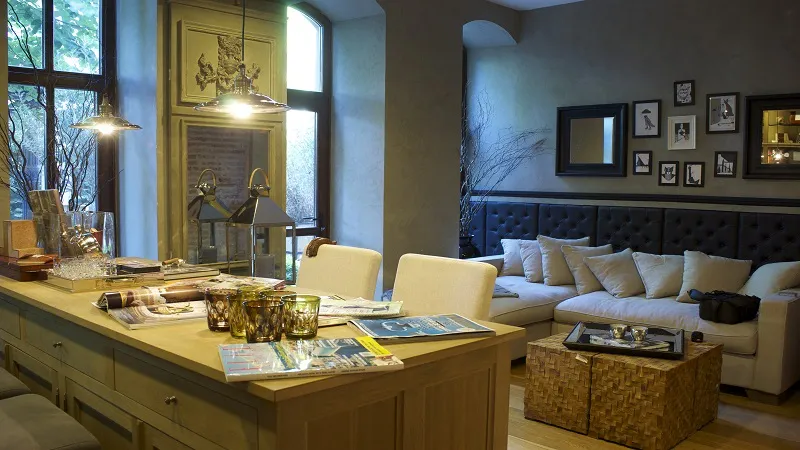
DrHomey Interior Design represents a practical and modern approach to home decoration that focuses on balancing aesthetics with functionality. Instead of following every passing trend, this design philosophy emphasizes creating comfortable, organized, and visually appealing living spaces that suit your lifestyle.
In this comprehensive guide, you’ll learn everything about DrHomey interior design, including its core principles, popular styles, room-by-room decorating ideas, color selection, lighting techniques, furniture arrangement, storage solutions, budget-friendly decorating tips, and common mistakes to avoid.
What Is DrHomey Interior Design?
DrHomey Interior Design is a home design approach centered around creating elegant, functional, and welcoming interiors. Rather than emphasizing expensive luxury, it focuses on practical design choices that enhance both beauty and everyday comfort.
The philosophy encourages homeowners to design spaces that:
- Feel warm and inviting
- Maximize available space
- Improve organization
- Reflect personal style
- Increase comfort
- Support modern living
The goal is not simply decorating a house—it is creating a home where every room serves a purpose while maintaining visual harmony.
The Core Principles of DrHomey Interior Design
1. Function Comes First
Every room should support the activities that happen there.
For example:
- Living rooms should encourage conversation and relaxation.
- Bedrooms should promote restful sleep.
- Kitchens should maximize cooking efficiency.
- Home offices should improve productivity.
Beautiful design is valuable only when the space works well for everyday life.
2. Simplicity Creates Elegance
One major principle is avoiding unnecessary clutter.
Instead of overcrowding rooms with decorations, DrHomey encourages:
- Clean layouts
- Minimal visual distractions
- Well-chosen décor
- Open floor space
Simple spaces often appear larger, brighter, and more luxurious.
3. Comfort Matters
Interior design should never sacrifice comfort for appearance.
Comfort includes:
- Soft seating
- Proper lighting
- Comfortable temperatures
- Easy movement around furniture
- Practical storage
When people enjoy spending time in a room, the design has achieved its purpose.
4. Personal Expression
Every home should reflect the people who live there.
This includes:
- Family photographs
- Artwork
- Favorite colors
- Meaningful souvenirs
- Personal collections
These elements make a home unique instead of looking like a furniture showroom.
Popular Interior Design Styles Inspired by DrHomey
Modern Style
Modern interiors feature:
- Neutral color palettes
- Clean lines
- Simple furniture
- Large windows
- Minimal accessories
The focus is functionality with sophisticated simplicity.
Scandinavian Style
Scandinavian interiors emphasize:
- White walls
- Natural wood
- Cozy textiles
- Bright lighting
- Minimal decoration
This style creates calm and welcoming environments.
Contemporary Style
Contemporary design changes with current trends while maintaining clean aesthetics.
Features include:
- Open spaces
- Bold accent colors
- Mixed materials
- Modern artwork
- Elegant lighting
Minimalist Style
Minimalism follows the philosophy of “less is more.”
Characteristics include:
- Neutral colors
- Limited décor
- Hidden storage
- Functional furniture
- Clean surfaces
Minimalist homes often feel peaceful and organized. Transitional Style
Transitional interiors combine classic and modern elements.
Examples include:
- Traditional furniture with modern lighting
- Neutral colors
- Elegant fabrics
- Balanced decoration
This timeless style works well for many homeowners.
Living Room Design Ideas
The living room is usually the heart of the home.
DrHomey recommends creating a space that encourages both comfort and conversation.
Furniture Arrangement
Position seating to encourage interaction.
Avoid placing every piece against the walls.
Instead:
- Create conversation areas.
- Use area rugs to define spaces.
- Leave clear walking paths.
Color Palette
Popular living room colors include:
- Beige
- White
- Soft gray
- Warm cream
- Sage green
Accent colors can be added through pillows, artwork, and rugs.
Lighting
Combine multiple light sources.
Examples:
- Ceiling lights
- Floor lamps
- Table lamps
- Natural sunlight
Layered lighting makes the room more flexible throughout the day.
Bedroom Interior Design
Bedrooms should feel peaceful and relaxing.
Important elements include:
Comfortable Bedding
Invest in:
- Quality mattresses
- Soft sheets
- Comfortable pillows
- Cozy blankets
These improve sleep quality significantly.
Soft Colors
Recommended shades include:
- Light gray
- Ivory
- Dusty blue
- Soft green
- Beige
These colors promote relaxation.
Minimal Clutter
Reduce unnecessary furniture.
Only include items that serve a clear purpose.
A clean bedroom often leads to better sleep.
Kitchen Design Tips
The kitchen should combine beauty with efficiency.
Smart Layout
The classic kitchen work triangle connects:
- Refrigerator
- Sink
- Stove
This reduces unnecessary movement during cooking.
Storage Solutions
Consider:
- Pull-out shelves
- Deep drawers
- Vertical storage
- Pantry organizers
- Hidden cabinets
Good organization saves time every day.
Durable Materials
Choose materials that are:
- Easy to clean
- Moisture resistant
- Long lasting
Quartz countertops and quality cabinetry are popular options.
Bathroom Interior Design
Bathrooms should feel clean, bright, and relaxing.
Useful improvements include:
- Floating vanities
- Large mirrors
- Frameless glass showers
- Neutral tiles
- Efficient storage
Even small bathrooms can appear larger with smart design.
Home Office Design
With remote work becoming more common, home offices have become increasingly important.
Key elements include:
Ergonomic Furniture
Choose:
- Adjustable chairs
- Proper desk height
- Monitor stands
- Footrests if needed
Comfort supports productivity.
Natural Light
Position your desk near windows whenever possible.
Natural light reduces eye strain and improves mood.
Organized Workspace
Use:
- Filing cabinets
- Floating shelves
- Cable organizers
- Storage boxes
An organized office helps maintain focus.
Choosing the Right Color Palette
Color affects mood more than many homeowners realize.
Neutral Colors
Perfect for:
- Living rooms
- Bedrooms
- Hallways
Examples:
- White
- Cream
- Beige
- Gray
Warm Colors
Warm shades create energy.
Examples include:
- Orange
- Red
- Yellow
These work well in dining rooms and kitchens.
Cool Colors
Cool tones encourage relaxation.
Examples include:
- Blue
- Green
- Lavender
Ideal for bedrooms and bathrooms.
Lighting: The Secret to Great Interior Design
Lighting dramatically changes how a room feels.
Ambient Lighting
Provides overall illumination.
Examples:
- Ceiling fixtures
- Recessed lights
Task Lighting
Supports specific activities.
Examples:
- Reading lamps
- Under-cabinet kitchen lights
- Desk lamps
Accent Lighting
Highlights architectural features or artwork.
Examples:
- Wall sconces
- LED strip lights
- Spotlights
Combining all three creates a balanced atmosphere.
Furniture Selection Tips
Quality furniture should balance beauty and practicality.
Choose pieces that:
- Fit the room size
- Match your lifestyle
- Offer comfort
- Provide storage when possible
Avoid oversized furniture in small spaces.
Smart Storage Solutions
Organization is one of the biggest themes in DrHomey interior design.
Ideas include:
- Built-in shelving
- Under-bed storage
- Storage ottomans
- Closet organizers
- Wall-mounted cabinets
Hidden storage helps maintain a clean appearance.
Bringing Nature Indoors
Natural elements improve both aesthetics and well-being.
Popular options include:
- Indoor plants
- Wooden furniture
- Stone accents
- Natural fabrics
- Large windows
Plants such as snake plants, pothos, and peace lilies require relatively little maintenance while adding freshness to any room.
Decorating with Accessories
Accessories complete a room.
Popular decorative items include:
- Throw pillows
- Area rugs
- Curtains
- Artwork
- Mirrors
- Decorative bowls
- Candles
- Books
Avoid overdecorating. A few carefully selected accessories often create greater visual impact.
Small Space Design Ideas
Small homes can feel surprisingly spacious with thoughtful planning.
Tips include:
- Use multifunctional furniture.
- Install floating shelves.
- Choose light-colored walls.
- Add mirrors to reflect light.
- Keep floors visible.
- Use vertical storage.
These strategies maximize both space and functionality.
Sustainable Interior Design
Eco-friendly choices are becoming increasingly popular.
Consider:
- Recycled materials
- Energy-efficient lighting
- Sustainable wood furniture
- Low-VOC paint
- Vintage furniture
- Reusable décor
Sustainable design benefits both homeowners and the environment.
Budget-Friendly Interior Design Tips
Beautiful interiors do not always require large budgets.
Save money by:
- Repainting walls instead of replacing them.
- Updating cabinet hardware.
- Rearranging furniture.
- Shopping secondhand.
- Adding indoor plants.
- Replacing outdated lighting.
- Using removable wallpaper.
- Creating DIY artwork.
Small improvements often produce dramatic results.
Common Interior Design Mistakes
Avoid these common errors:
Ignoring Lighting
Poor lighting makes beautiful rooms feel dull.
Buying Everything at Once
Take time to build your home gradually.
This creates a more personal look.
Choosing Style Over Comfort
A stylish chair that nobody enjoys sitting in is not a successful design choice.
Using Incorrect Rug Sizes
Small rugs can make rooms feel disconnected.
Choose rugs that properly anchor furniture.
Too Much Decoration
Too many decorative items create visual clutter.
Leave empty space for balance.
Future Trends in DrHomey Interior Design
Several trends continue to shape modern interiors:
- Smart home integration
- Sustainable materials
- Curved furniture
- Natural textures
- Earth-tone color palettes
- Multi-functional spaces
- Wellness-focused design
- Home offices
- Hidden storage
- Biophilic design
These trends reflect changing lifestyles while maintaining timeless functionality.
Why Homeowners Appreciate the DrHomey Approach
Many homeowners prefer this design philosophy because it focuses on practical improvements rather than expensive transformations. It encourages intentional furniture selection, efficient layouts, calming color schemes, and personalized décor that enhances everyday living.
Whether you’re updating one room or redesigning your entire home, these principles can help create spaces that are attractive, comfortable, and easy to maintain.
Conclusion
DrHomey Interior Design is about creating homes that combine style, comfort, and functionality in equal measure. By focusing on thoughtful layouts, balanced color palettes, quality lighting, smart storage, and meaningful personal touches, homeowners can transform ordinary spaces into inviting environments that support modern lifestyles.
The best interiors are not defined by luxury alone—they are defined by how well they serve the people who live in them. From selecting the right furniture and incorporating natural elements to maximizing small spaces and embracing sustainable choices, every design decision contributes to a home that feels both beautiful and practical. Whether you prefer a minimalist aesthetic, Scandinavian simplicity, or a contemporary look, applying these principles will help you create a timeless space that reflects your personality and enhances your daily life. Read More homedecormagazine.