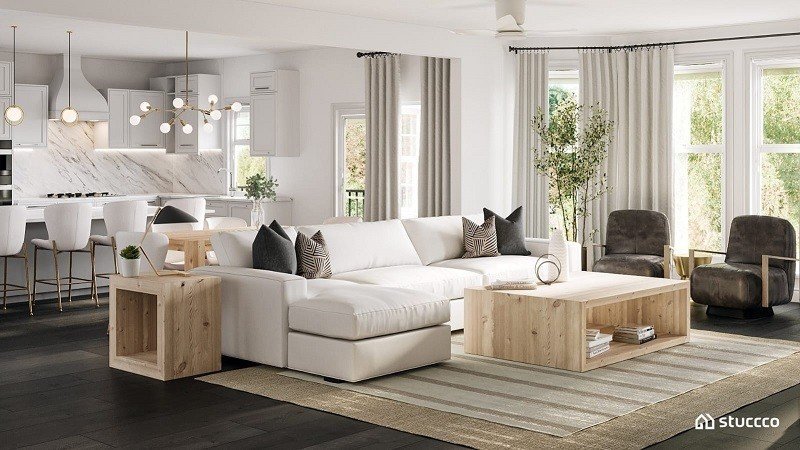
DesignMode24-Interior-Design is about creating a home where style, comfort, and everyday functionality work together. Good interior design is not simply about buying attractive furniture or copying the latest trend. It involves understanding your space, choosing the right layout, balancing colors, improving lighting, and adding details that make the home feel personal.
A well-designed room should look appealing while also supporting the way you live. Furniture should fit comfortably, storage should be practical, lighting should serve a purpose, and decorative elements should complement rather than overwhelm the space.
Whether you are refreshing one room or planning a complete makeover, thoughtful home interior design can produce impressive results without requiring an expensive renovation. The key is to make every design decision purposeful.
How Can DesignMode24-Interior-Design Create a Better Home?
The DesignMode24-Interior-Design approach begins with functionality. Before choosing new furniture or decorations, consider how the room is used, how much space is available, where natural light enters, and what storage is required. This prevents you from filling a room with items that look good but create practical problems.
A successful interior does not have to follow one strict style. Modern, minimalist, traditional, Scandinavian, or contemporary elements can work together when colors, materials, and proportions are carefully coordinated. The important thing is to create a visual connection between different parts of the home.
Your lifestyle should ultimately guide the design. A busy family may need durable furniture and smart storage, while a person working from home may need a comfortable and organized office area. DesignMode24 interior design ideas become more useful when they are adapted to real needs instead of copied exactly from another home.
How Should You Choose Colors for a Balanced Interior?
Color is one of the simplest ways to change the atmosphere of a room. Light shades can make smaller spaces feel more open, while deeper colors can add warmth and personality. A good color scheme normally starts with a dominant shade and then introduces complementary colors through furniture, fabrics, artwork, and accessories.
Neutral colors such as beige, cream, white, and soft gray can create a flexible foundation for modern interiors. Accent colors can then be added through cushions, rugs, curtains, plants, or wall art. Repeating one or two shades in different areas helps create a cohesive appearance without making the room feel overly matched.
Natural and artificial lighting should also be considered when selecting paint colors. A shade that looks attractive in a store may appear completely different inside your home. Testing colors in the actual room at different times of day can help you achieve a more predictable result.
How Does Furniture Layout Improve Interior Design?
Furniture placement can determine whether a room feels spacious or crowded. In DesignMode24-Interior-Design, furniture should be selected according to the room’s size and purpose. A large sofa may dominate a small living room, while undersized furniture can make a large room feel empty.
Measure the available space before purchasing major furniture and consider doors, windows, walkways, and existing architectural features. Seating should allow comfortable conversation, tables should remain accessible, and frequently used storage should be easy to reach.
Multifunctional furniture is especially useful for modern homes. Storage ottomans, extendable tables, modular seating, wall-mounted shelves, and beds with built-in drawers can provide additional functionality without taking up unnecessary space. Good furniture selection is therefore about both appearance and usability.
What Should You Check Before Buying Furniture?
Always consider dimensions, comfort, durability, maintenance, and purpose. A beautiful piece that does not fit the room can make the entire layout less practical.
Why Is Lighting Essential for Modern Home Design?
Lighting can completely change how an interior looks and feels. Even a carefully decorated room may appear dull when it depends on a single ceiling light. A stronger approach is to combine general illumination with task and accent lighting.
Ceiling fixtures can provide overall brightness, while floor lamps and table lamps can support reading, working, or relaxing. Accent lighting can highlight artwork, shelving, plants, architectural details, or other features you want to draw attention toward.
Natural light should also be used as effectively as possible. Keep windows relatively unobstructed and choose curtains that allow sufficient daylight into the room. In the evening, warmer and softer lighting can create a comfortable atmosphere while brighter task lighting can support specific activities.
How Can DesignMode24-Interior-Design Improve Small Spaces?
Small rooms require careful planning because excessive furniture and decoration can quickly make them feel cramped. The DesignMode24-Interior-Design approach can help by focusing on scale, storage, movement, and visual simplicity.
Multifunctional furniture can make a major difference in compact homes. Storage benches, foldable tables, wall-mounted shelves, beds with drawers, and built-in cabinets can provide useful functions while preserving floor space. Vertical storage is particularly valuable because it uses walls without reducing walking areas.
Mirrors, lighter colors, open floor space, and limited decorative clutter can also make a small room appear larger. The goal is not to remove personality but to make every item useful or meaningful. A well-planned small room can feel comfortable, stylish, and surprisingly spacious.
Can Mirrors Make a Room Look Larger?
Yes. A strategically positioned mirror can reflect natural or artificial light and create a stronger sense of depth. Its size and position should complement the room rather than become an unnecessary focal point.
How Do Texture and Natural Materials Add Character?
Color is only one part of an attractive interior. Texture creates depth and prevents rooms from looking flat. Materials such as wood, linen, cotton, wool, glass, stone, metal, and woven fibers can be combined to create contrast and visual interest.
Natural materials are especially useful for making contemporary spaces feel warmer. Wooden furniture, woven baskets, ceramic accessories, stone surfaces, and indoor plants can introduce organic character without requiring major structural changes.
Balance is important when combining materials. Too many unrelated textures can make a room feel chaotic, while a few carefully selected materials can create a sophisticated appearance. Rugs, cushions, curtains, and throws are also easy ways to introduce texture without redesigning the entire space.
How Can You Personalize Your Interior Without Creating Clutter?
A home should reflect the people who live there. Artwork, photographs, books, travel memories, handmade objects, and meaningful accessories can make an interior feel authentic. These personal details often have more impact than generic decorations purchased simply to fill empty surfaces.
However, personalization should not become clutter. Instead of displaying everything, select pieces that have genuine meaning and give them enough space to stand out. A single statement artwork or carefully arranged shelf can often have a stronger effect than dozens of unrelated objects.
DesignMode24 interior design should be treated as inspiration rather than a rigid formula. You can apply its principles while choosing furniture, colors, artwork, and accessories that match your own personality, lifestyle, and budget.
What Are the Most Important DesignMode24-Interior-Design Principles?
The foundation of DesignMode24-Interior-Design is thoughtful planning. Understand the purpose of a room before purchasing anything, measure the available space, consider lighting, establish a color direction, and determine your storage needs. These simple steps can prevent expensive decorating mistakes.
Balance is equally important. Furniture, colors, lighting, textures, and accessories should complement one another rather than compete for attention. A sophisticated home does not need to contain expensive products; carefully selected elements can create a stronger result than excessive decoration.
Finally, focus on long-term comfort instead of short-lived trends. Choose pieces that fit your lifestyle, materials that can withstand everyday use, and designs that you will continue to enjoy. When beauty and practicality work together, your interior becomes more than a decorated room—it becomes a space designed around the way you actually live.
Final Thoughts
DesignMode24-Interior-Design provides a practical framework for creating interiors that combine style, comfort, and functionality. From color selection and furniture placement to lighting, texture, storage, and personalization, every element can contribute to a more cohesive home.
The strongest interior improvements are not always the most expensive. Small but intentional changes can make rooms brighter, more organized, more comfortable, and visually appealing.
By applying these modern interior design ideas according to your home’s size, lifestyle, and personal preferences, you can create a space that feels polished without losing its individuality or everyday practicality. Read More homedecormagazine