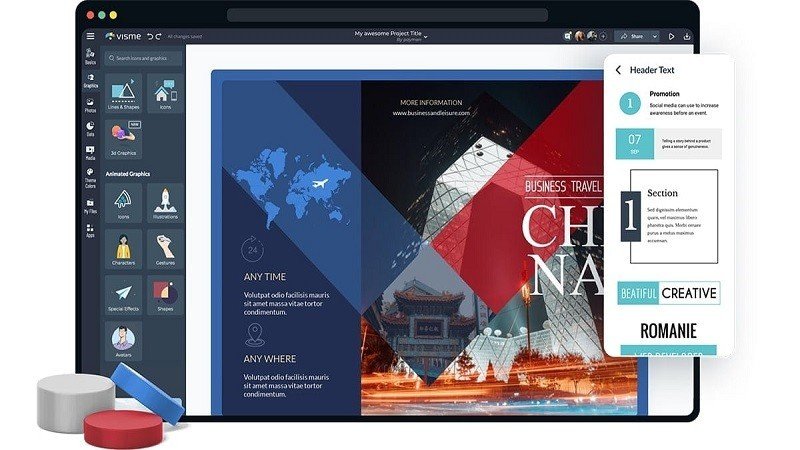
Creating a professional brochure can sometimes feel like a complicated and time-consuming task. From choosing a suitable layout to arranging images, writing content, selecting fonts, and preparing the final design, there are many details to consider. Fortunately, modern design tools can simplify much of this work. When you save massive time with a brochure maker, you can focus more on your message and less on complicated design processes.
Start With Ready-Made Templates
One of the biggest advantages of using a brochure design tool is access to ready-made templates. Instead of starting with a completely blank page, you can choose a layout that already has an organized structure.
Templates can provide sections for headings, descriptions, photographs, contact information, and calls to action. You can then customize these elements according to your requirements. This approach eliminates much of the initial planning and allows you to begin designing immediately.
Simplify the Design Process
Creating a brochure from scratch often requires decisions about page dimensions, spacing, typography, image placement, and alignment. These small tasks can take considerable time when completed manually.
Design platforms can simplify these processes by providing tools that help organize elements quickly. You can adjust text boxes, move images, change colors, and modify layouts without rebuilding the entire design.
This is especially useful for beginners who may not have extensive graphic design experience.
Keep Your Branding Consistent
Businesses often need brochures that match their existing brand identity. Consistent colors, fonts, logos, and visual elements help customers recognize a company across different marketing materials.
A good design workflow makes it easier to maintain these elements throughout the brochure. Once your preferred branding choices are established, they can be applied consistently across different sections and future projects.
This can reduce repetitive work when creating multiple brochures for different products, services, or events.
Organize Content More Efficiently
A brochure should communicate information clearly without overwhelming readers. A structured template can help you divide content into logical sections.
You might create separate areas for an introduction, product features, service benefits, pricing, contact details, and a call to action. This organized approach makes it easier to decide where each piece of information belongs.
Instead of spending excessive time experimenting with different arrangements, you can adapt an existing structure to your content.
Make Image Placement Easier
Images are important for creating an attractive brochure, but positioning them correctly can be challenging when working manually. Images may need to be resized, cropped, aligned, or moved several times before the layout looks balanced.
Design tools can make these adjustments faster.You can try different photos and placements without significantly affecting the rest of the page.
Choose high-quality images that support your message rather than using visuals simply to fill empty space.
Create Multiple Versions Quickly
Businesses sometimes need several versions of the same brochure. For example, a company may promote different services, locations, products, or seasonal offers.
Starting with an existing design allows you to duplicate the original and modify only the necessary information. This can save considerable effort compared with creating every brochure independently.
It also helps maintain a consistent appearance across your marketing materials.
Reduce Editing Time
Mistakes and revisions are common during the design process. A phone number may change, a price may need updating, or a photograph may need replacing.
Editable digital designs make these changes much easier. Instead of redesigning an entire brochure, you can modify individual elements while keeping the rest of the layout intact.
Always review the final version carefully for spelling, grammar, contact information, dates, and other important details.
Improve Productivity
Saving time on brochure creation can allow businesses and individuals to focus on other important tasks. Marketing teams can spend more time developing campaigns, communicating with customers, or planning new projects instead of repeatedly adjusting design elements.
The time-saving benefit is particularly valuable when brochures need to be created regularly or within short deadlines.
Conclusion
Creating a professional brochure does not have to require hours of complicated design work. Ready-made templates, easy customization, organized layouts, simple image editing, and reusable designs can make the entire process more efficient.
By using the right design approach, you can produce attractive marketing materials while reducing repetitive tasks. The result is a brochure that communicates clearly, reflects your brand, and helps you complete your project more efficiently.